
Hazardous Location Elevator Fixtures
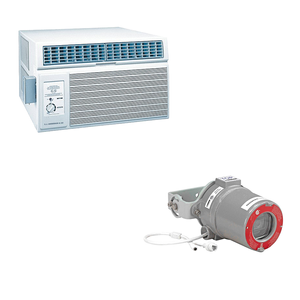
The Leading Manufacturer of Explosion Proof Elevator Equipment
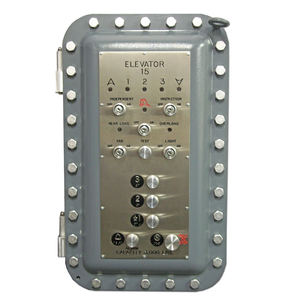
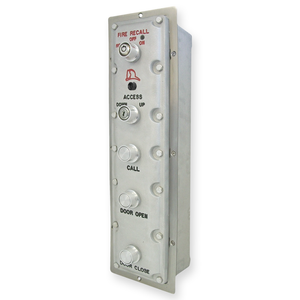
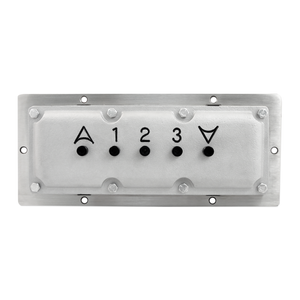
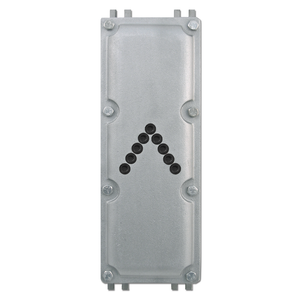
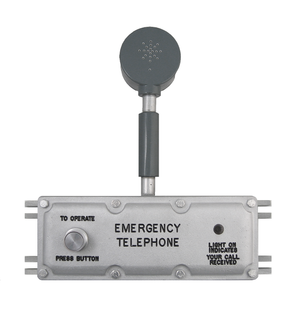
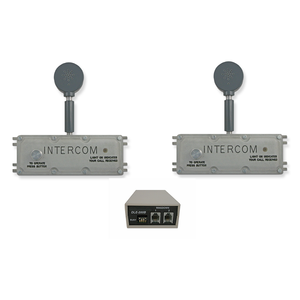
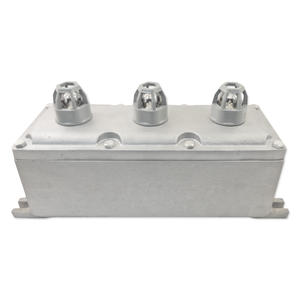
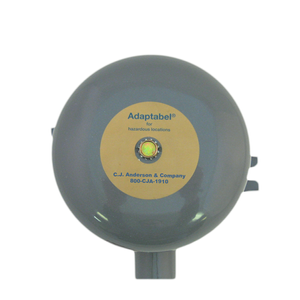
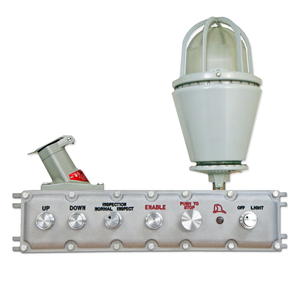
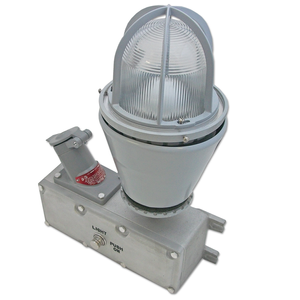
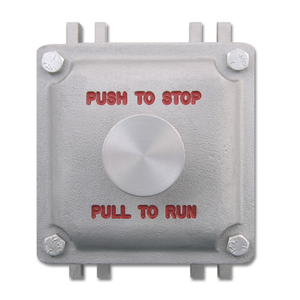
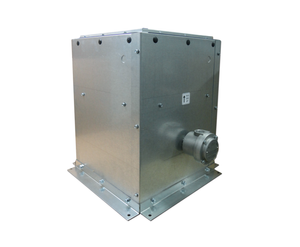
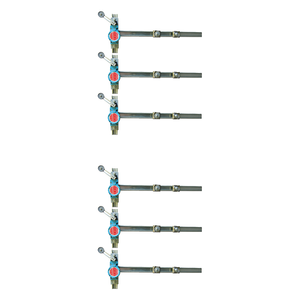
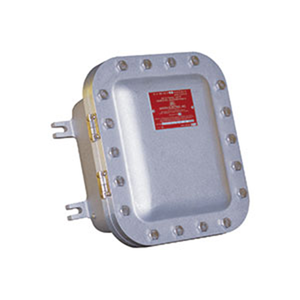
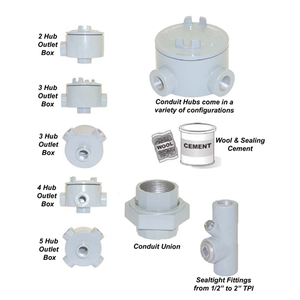
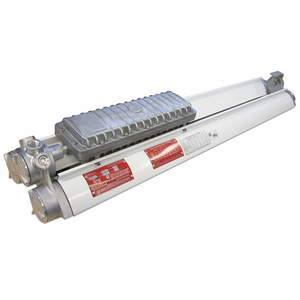
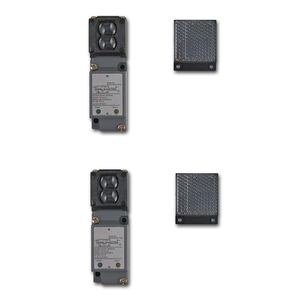
We’ve helped elevator companies with elevators that are located in facilities which require explosion proof protection since the 1950’s. We offer a variety of options when it comes to meeting different explosion proof ratings and can help you with your project. The two different fixture lines we offer are noted below. For a quotation please click on the “Click Here To Get a Fixture Quote” and complete as much of the information as possible. We’ll turn your quote around within 24 hours. Some facilities requiring explosion protection are noted below:
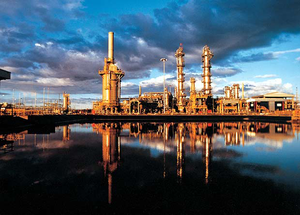
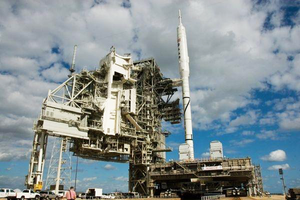
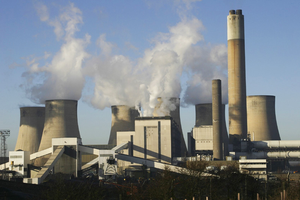
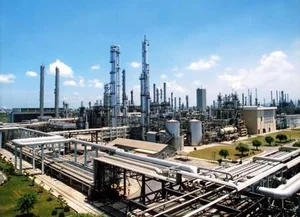
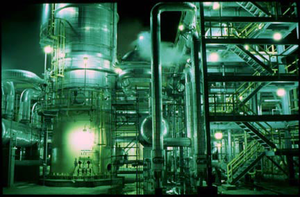
• Grain Elevators • Oil Refineries • Coker Plants • Pharmaceutical Plants • Gas Utility Facilities • Water Treatment Plants • Flour and Feed Mills • Coal Preparation Plants • Mines • Starch, Aluminum, Sulfur, Propane, Magnesium, etc. Processing Plants
Specializing in fabricating elevator equipment for the following locations:
- NEMA 7/9 - Class 1 & 2, Division 1 & 2 - Groups: B, C, D, E, F, G



About Hazardous Location Environmental Ratings
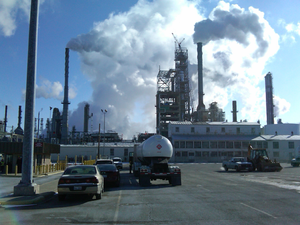
Hazardous location ratings indicate whether manufacturers have included safety features in products to facilitate their safe use in a hazardous environment. Those manufacturer ratings sometimes describe a product as “explosion-proof” or “intrinsically safe.” It’s important to understand that not all hazardous location products are created equal. For example, a product that is safe to use around combustible dust may be dangerous if used around flammable gases. Therefore, when selecting a product, you must ensure that it is rated for use in your specific environment. Please consult with a qualified safety professional at the facility you are providing pricing for to determine the environment the elevator is in and requirements the electrical equipment needs to comply with.
The most common rating system is the Class, Division, and Group system defined by the 2017 edition of the National Electrical Code. For more details, see the NFPA 70 National Electric Code.




Classes
- Class I — Flammable/combustible gases, vapors, and liquids
- Class II — Combustible dust
- Class III — Combustible/ignitable fibers or flyings
Divisions
- Division 1 — Normally hazardous (ignitable concentrations present under normal conditions and/or during frequent maintenance/failure)
- Division 2 — Not normally hazardous (ignitable concentrations occur infrequently, e.g., accidental spill or ventilation failure)
Groups
- Group A — Acetylene
- Group B — Hydrogen
- Group C — Ethylene
- Group D — Propane
- Group E — Combustible metal dusts
- Group F — Combustible carbonaceous dusts
- Group G — Other combustible dusts